A story from Explore Rendalen · Words and photography: Andreas Kokkvoll
It started with a question about what you can actually experience in Rendalen if you want to get away from anything too planned or packaged. Some friends from Finland, Sweden, Denmark and perhaps Germany were coming to visit, and the wish was simple: paddling, the outdoors and nature, but preferably something that felt genuine and local.
Then I came to Westerheim.
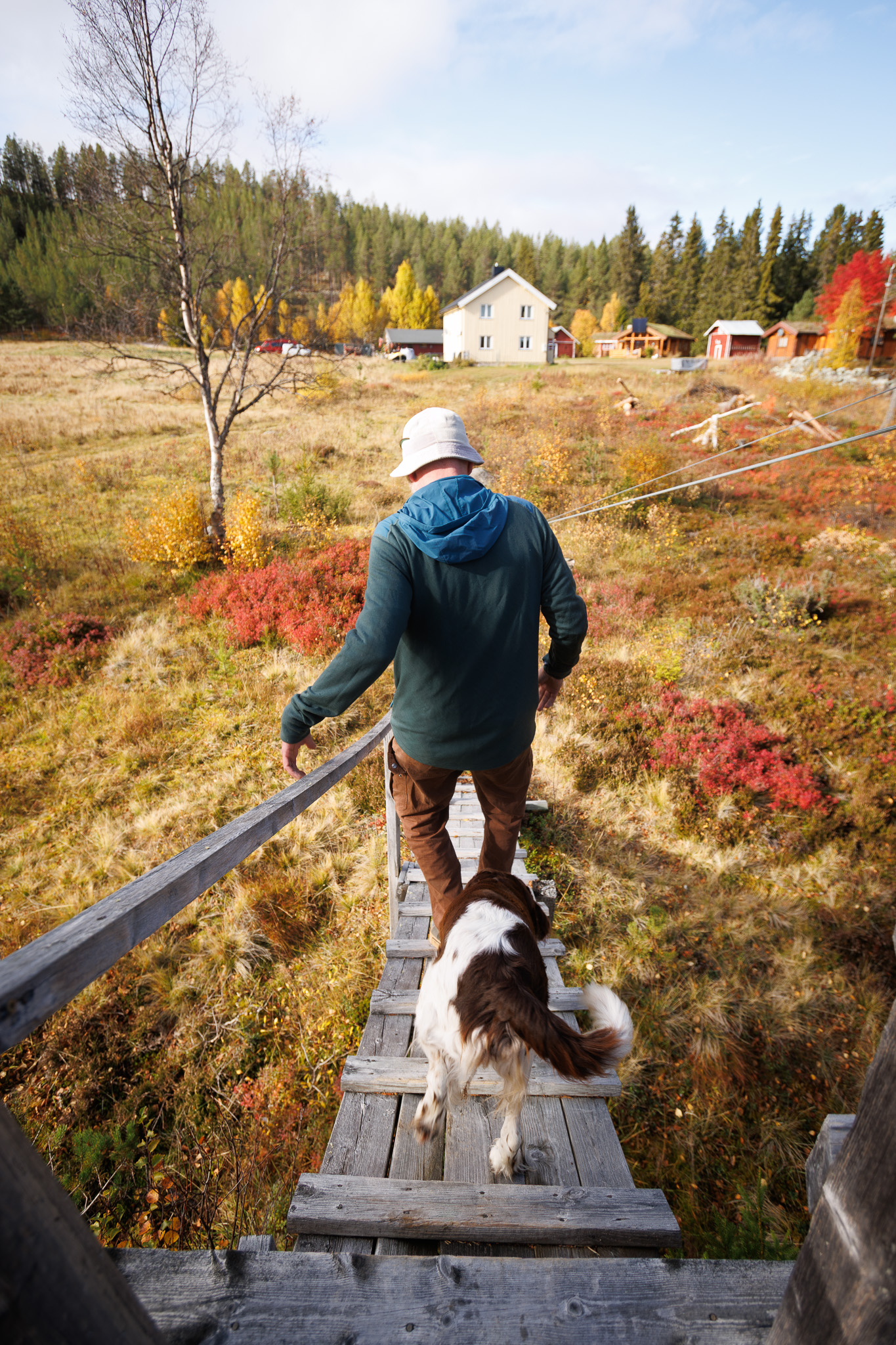
The family farm lies beside the Femundselva river, close to the border between Rendalen and Engerdal. Forest surrounds the houses, while the river runs below the farm. This is where Halvor Westerheim has chosen to move back home, returning to a place his family has been connected to for generations.
Halvor has moved into what he describes as Norway's most complete ecosystem. Around him are forest, river, mountains, wildlife and the farm – all within the same landscape. There is very little to disturb it. He sees no light other than the light he creates himself, and for the most part hears only the sounds he and nature make around him.
It is a very different way of living from what many of us are used to.
And that is exactly what Halvor is trying to find out: What can a life here actually be?
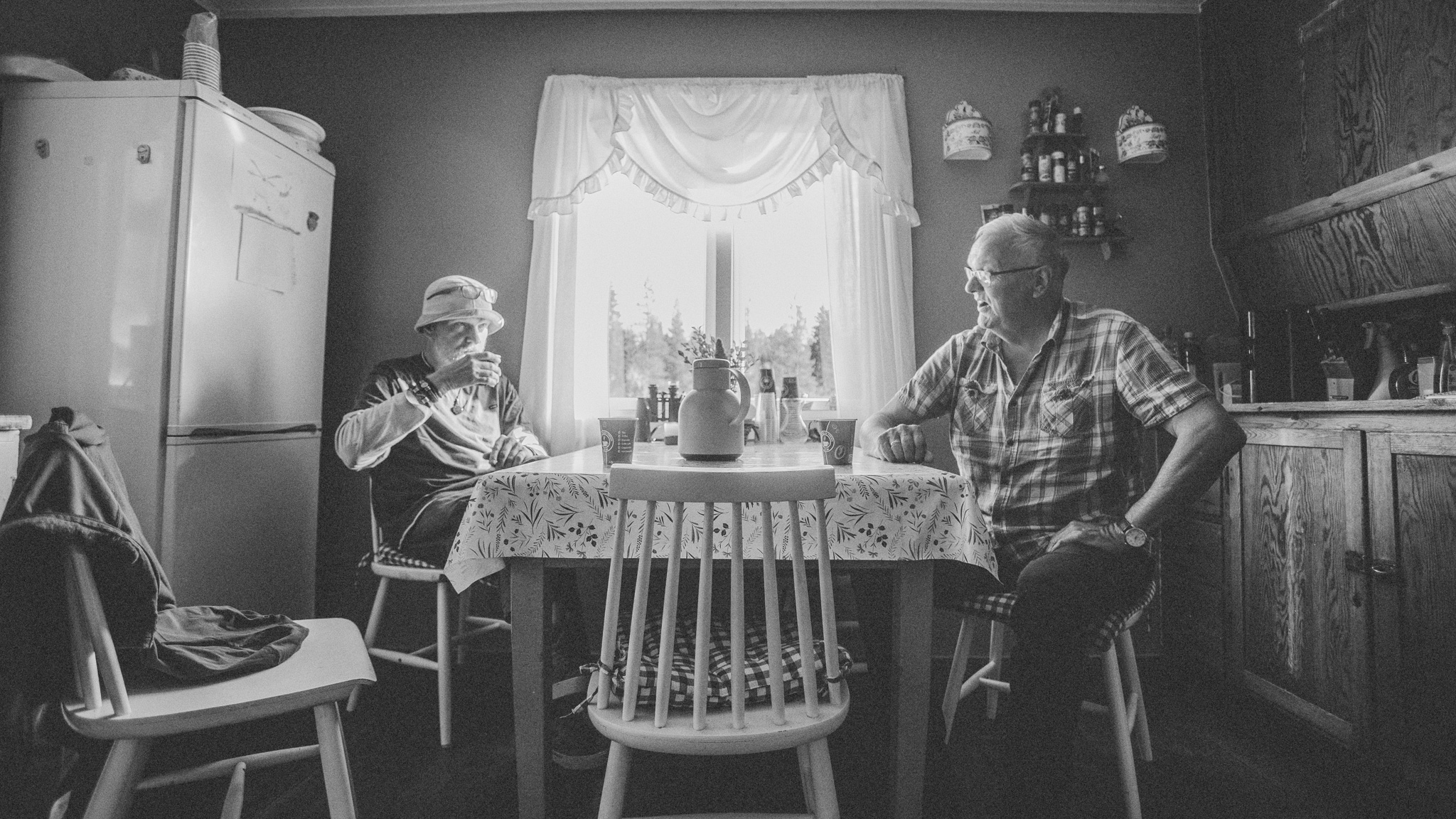
At the kitchen table, Halvor sits with his uncle. He is his uncle, but also his closest friend. Their relationship is close, and the history of Westerheim runs through both of them.
His uncle grew up at Westerheim and remembers a time when the Femundselva was a much more tangible part of everyday life. When he went to school in Engerdal, the journey could mean crossing the frozen river in winter and travelling by boat in summer. Later, the chairlift made it possible to cross the river in another way.
“My uncle is my closest friend.”
It says something about how the landscape around a farm can also become part of the story of the people who live there. The Femundselva has not simply been water flowing past. It has been a connection, a route and part of working life.
Today it is easy to see the river as part of the view. For the Westerheim family, it is also a piece of lived history.
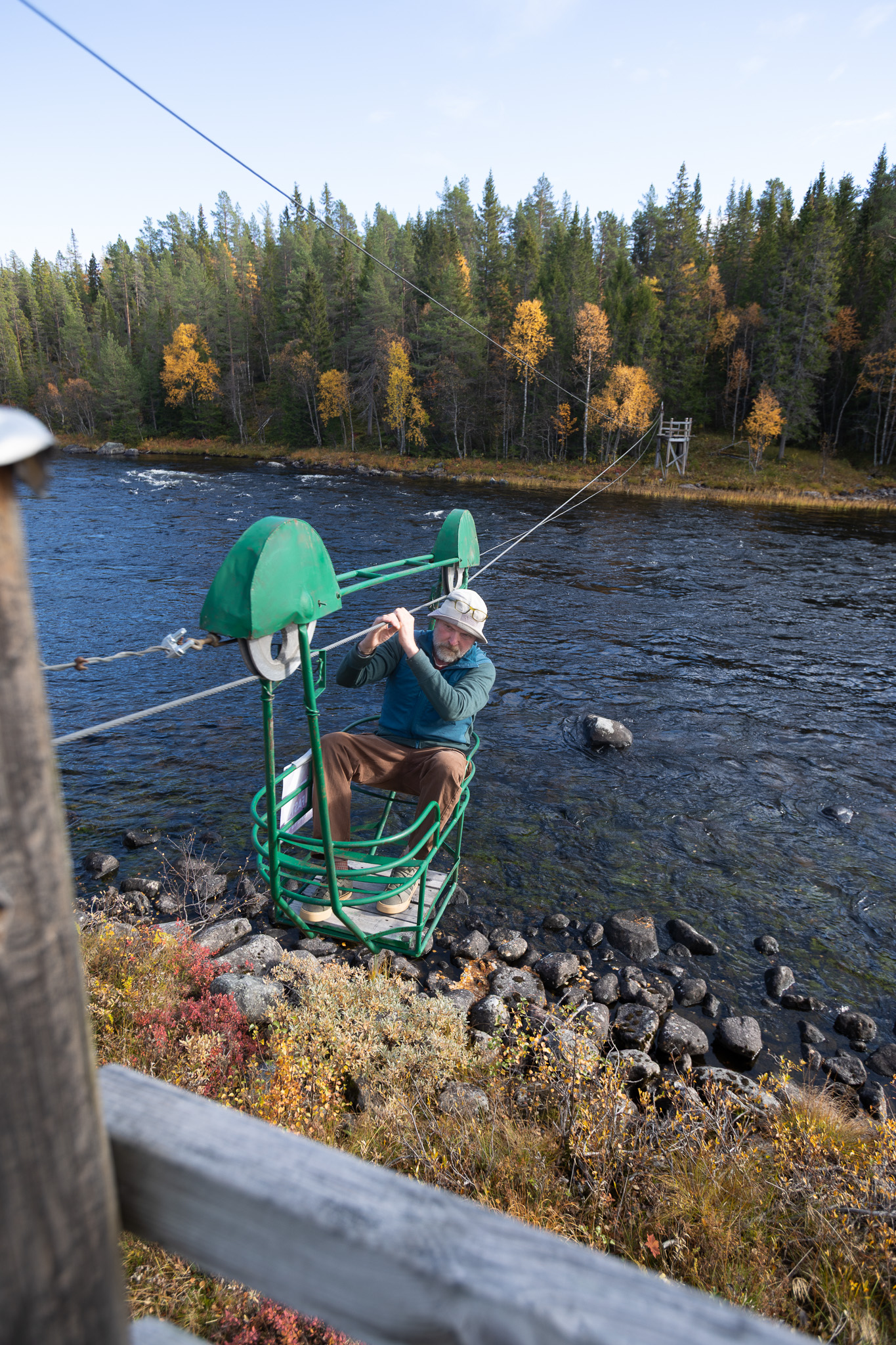
Halvor Westerheim is named after his great-grandfather – the man who founded the farm in 1901.
That makes “fourth generation” more than a description of family lineage. His name carries the story of the place forward.
His grandparents moved up to a year-round road in 1976. Since then, Westerheim has primarily been a holiday place, a place that in many ways has remained timeless.
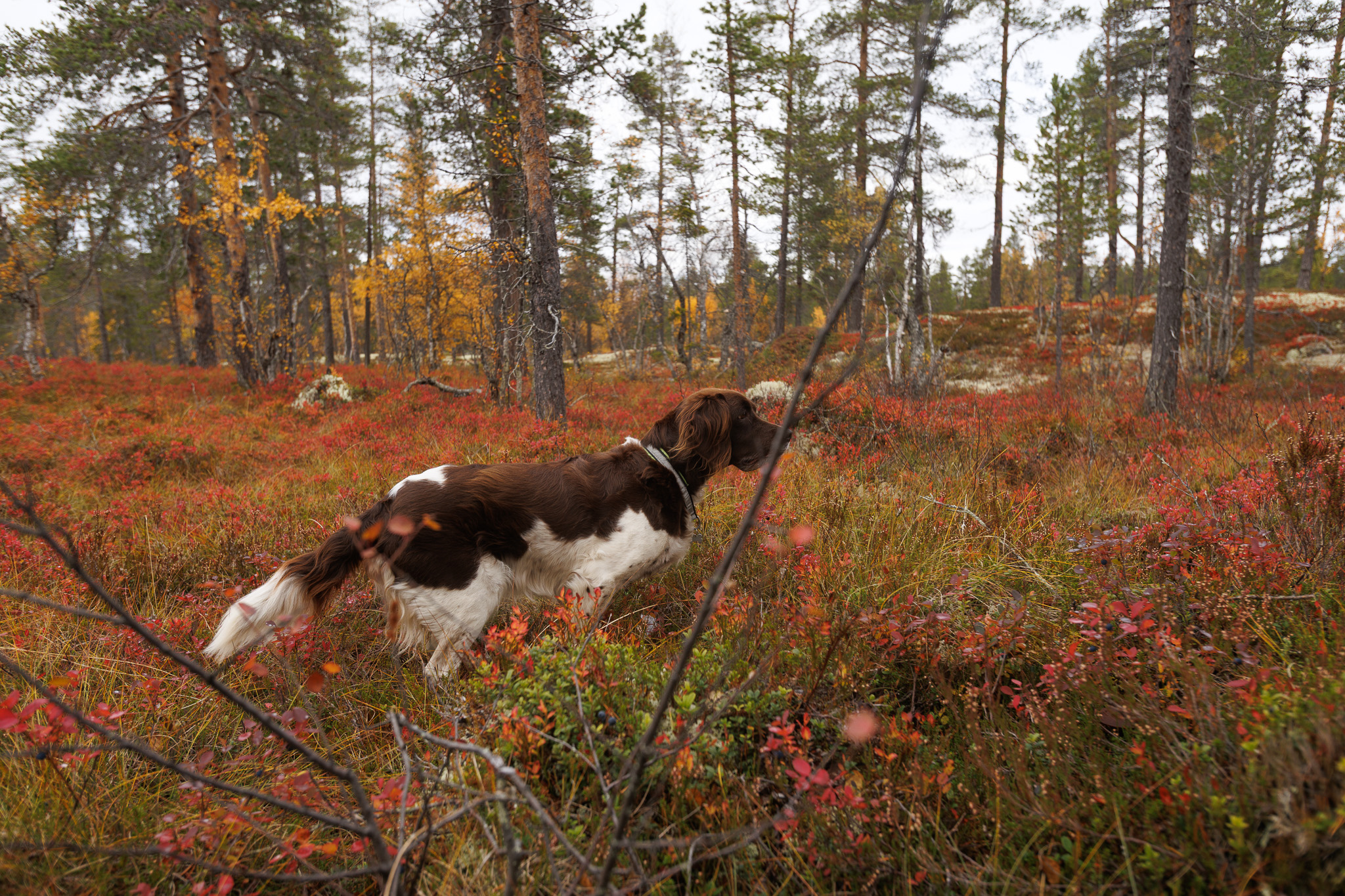
Much has changed around the farm, but not necessarily the most important things. The fish, moose and grouse are still found in the same places where his father, grandfather and great-grandfather once harvested from the landscape.
That is part of what Halvor is returning to. Not a museum, but a landscape that still works.
He is not arriving at a place he discovered from a distance. He is returning to a farm his family has built their lives around for generations.
But the plan is not to recreate the life that existed before. Halvor wants to find out what Westerheim can become for him.
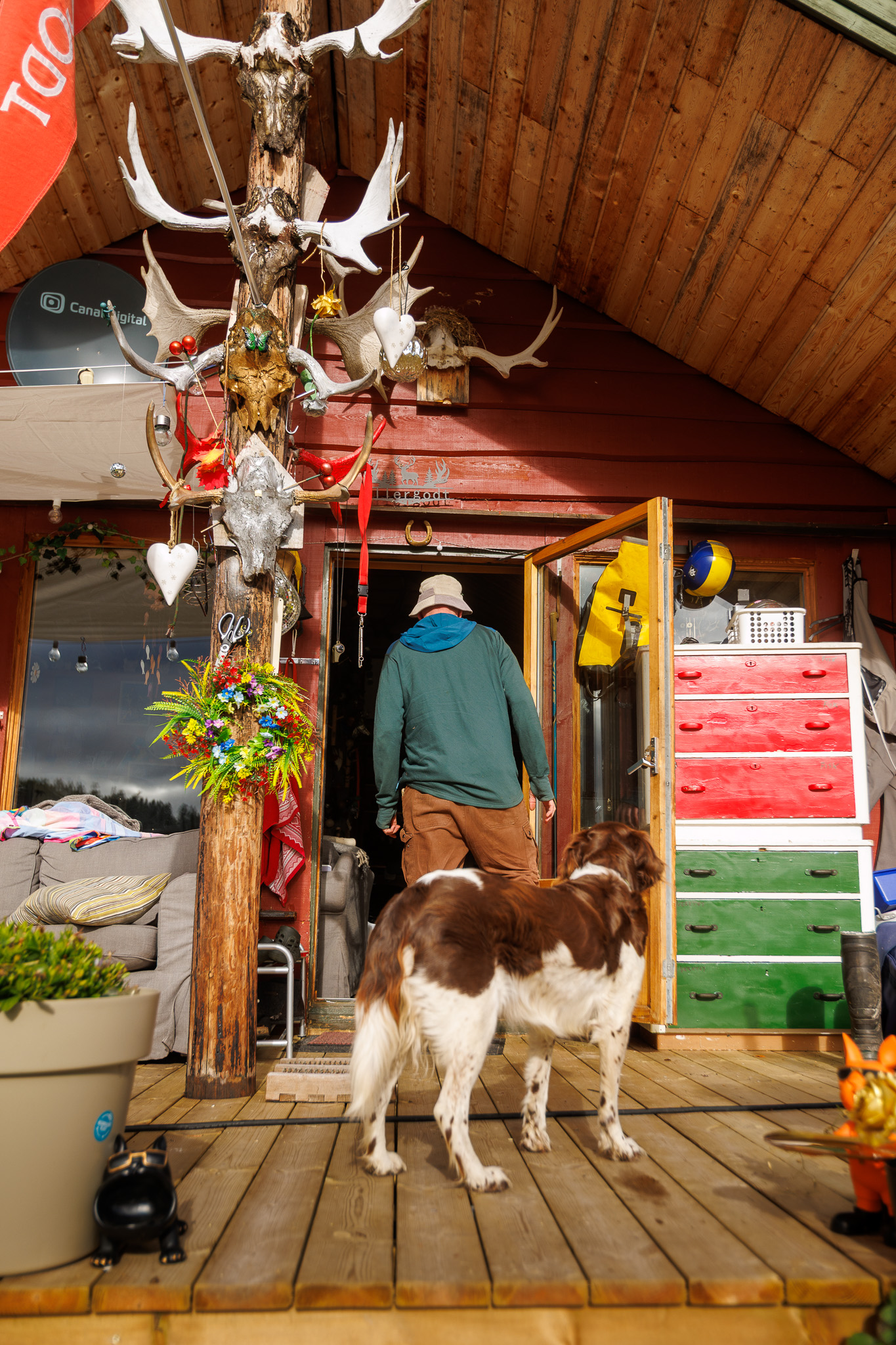
He has worked with people, including children, young people and adults in challenging situations. At the same time, nature has always been an important part of his life – hunting, fishing, paddling and time outdoors.
At Westerheim, these two sides meet. The social and the quiet, people and nature, activity and the possibility of stepping away.
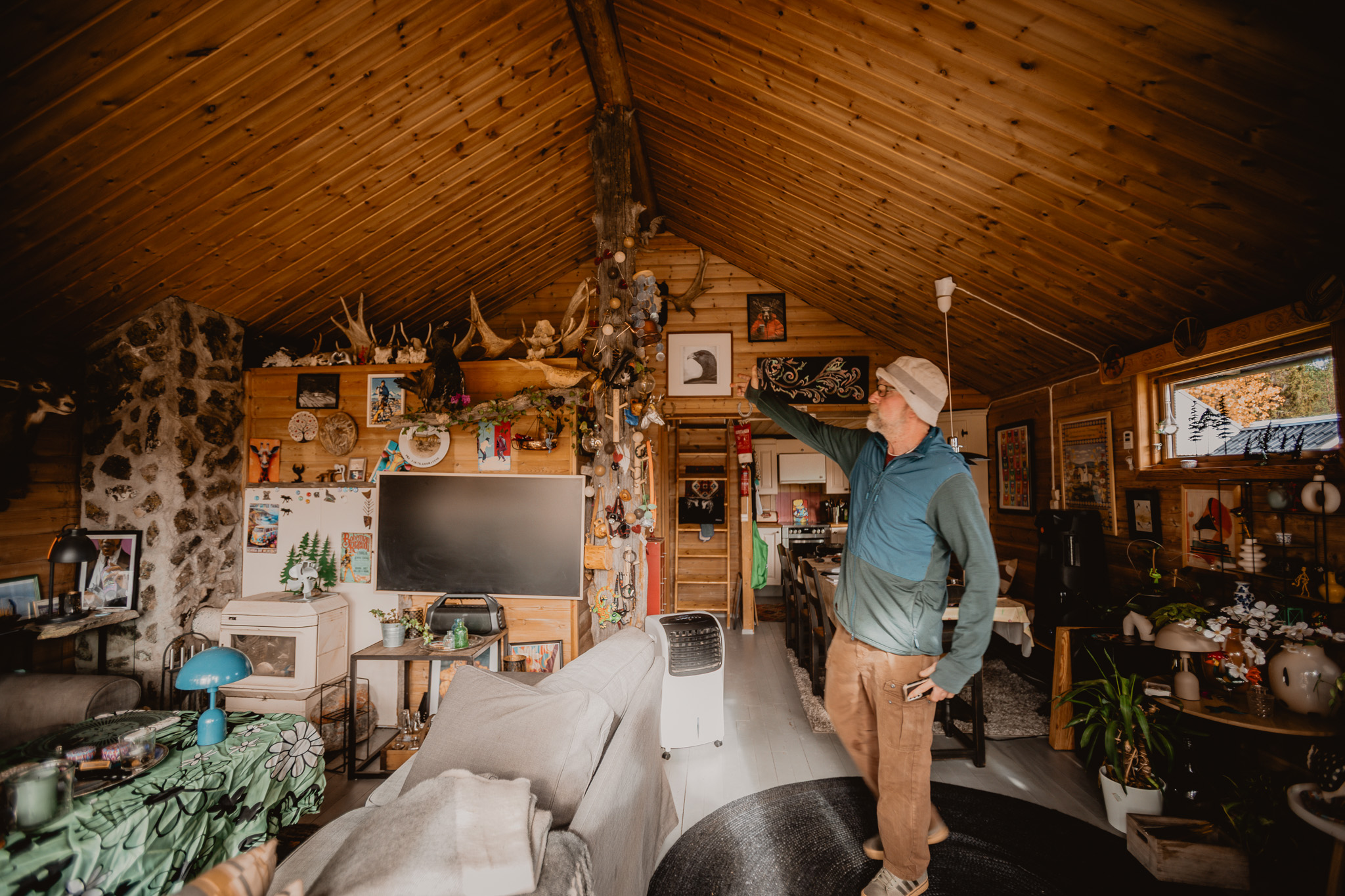
Inside Westerheim are old tools, antlers, work clothes, books, weapons and paddling equipment. It feels less like a collection and more like a life in which different times have been allowed to remain.
And out in the marsh stands the tractor.
It has its own story, dating all the way back to the 1950s. It has stood there ever since – a physical trace of the work that was done on the farm long before Halvor moved home.
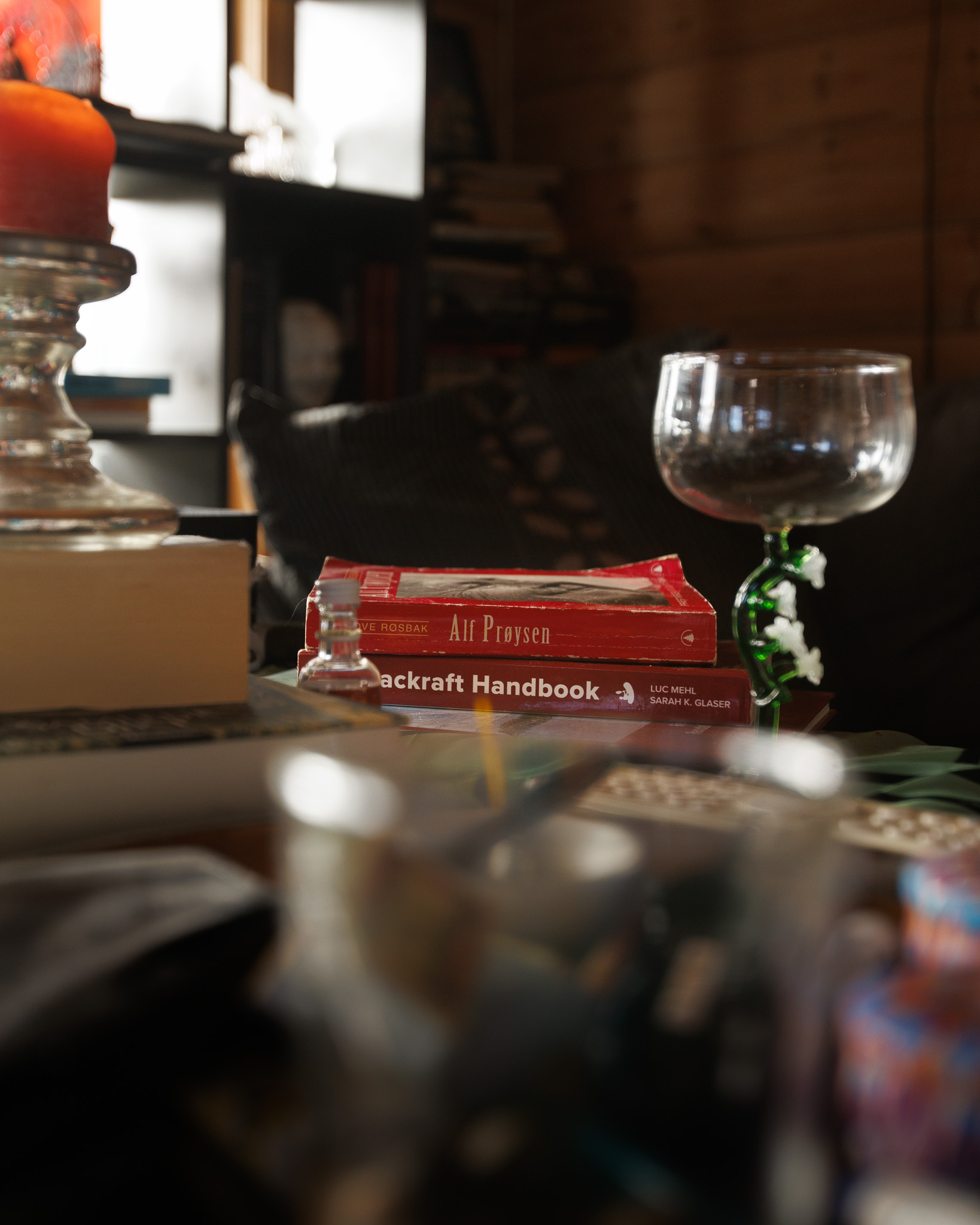
On the table lies a book by Alf Prøysen alongside a packraft manual. The old and the new sit side by side, just as they do everywhere else on the farm.
Halvor has established himself in the packraft community. The story goes back to 2017, when an extended river course was held at the family farm beside the Femundselva. The farm lies between Muggfossen and Storfossen and proved to be well suited for packraft courses.
In August 2022, the first basic packraft course organised by the Norwegian Paddling Federation was held on the Femundselva. Twenty-three participants took part, with a focus on safety, paddling technique and knowledge of rivers and water.
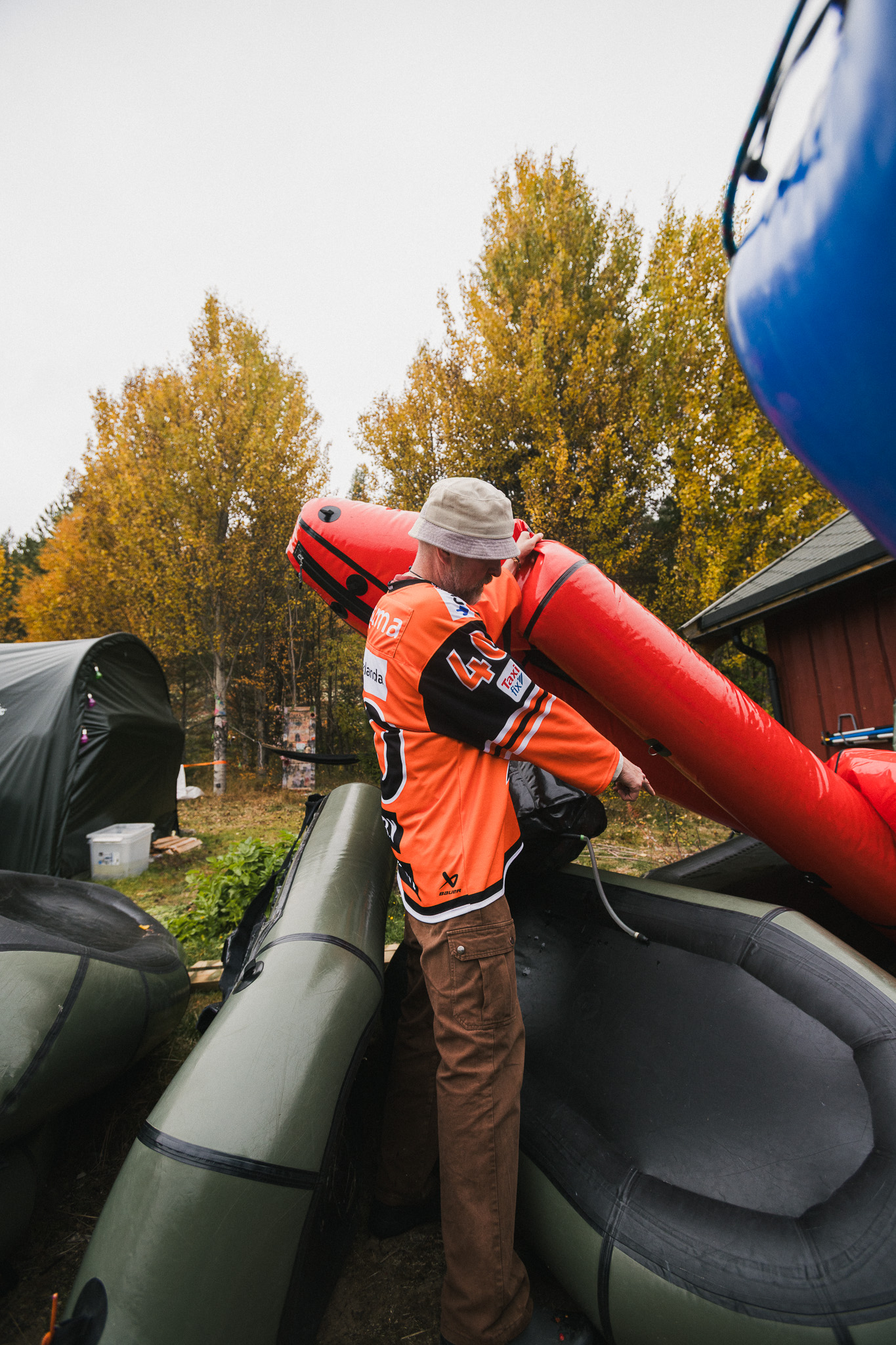
Today Halvor offers packraft rental, river paddling courses and guided outdoor experiences. He also offers fly fishing from a raft and calmer trips on the Grøna and Ulvåa rivers.
The water in the paddling rivers is clean enough to drink. Fresh water, straight from the river.
The river has therefore taken on another role. It is not simply something to cross. It is something you can enter – and quite literally take into your life.
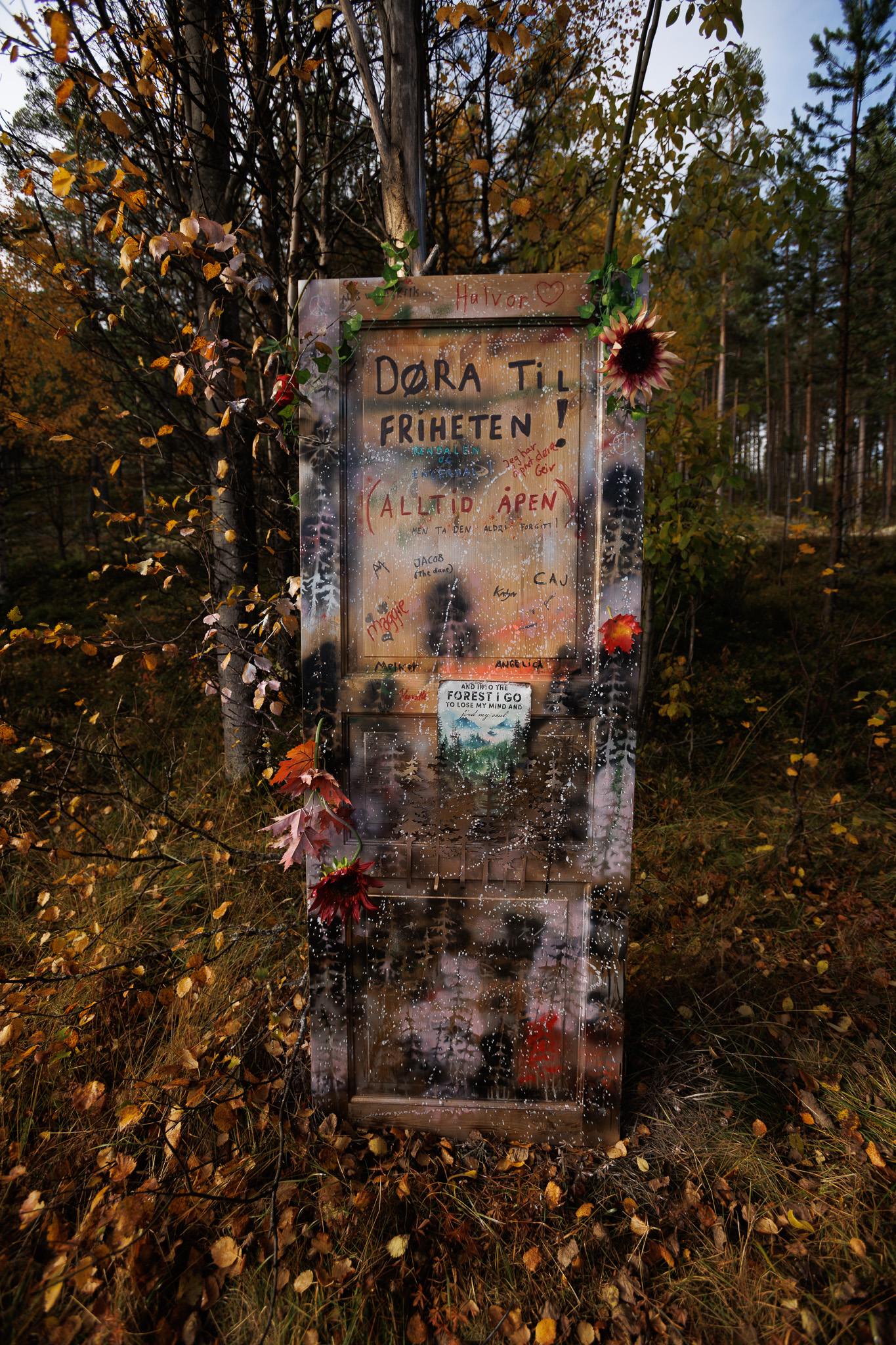
That is what it says on the door. And perhaps it is the simplest way to explain what Halvor is trying to create at Westerheim.
He wants to make more use of what already exists around the farm – nature, hunting, fishing, paddling and food. Not necessarily make the place bigger than it is, but find out how the resources around him can become part of life and work.
At the same time, freedom means the opposite: being able to close the door when the day is over, walk into the forest and simply be there.
Hunting follows a different rhythm from the working life many of us know. The seasons matter more, and the landscape around the farm becomes part of everyday life in a different way.
Halvor also has a different perspective on how we talk about hunting and fishing.
“It is not me who started hunting and fishing. It is you who stopped.”
It says something about his perspective. For him, hunting, fishing and moving through nature are not new additions to life. They are part of the life he has chosen to return to.
Being able to walk out the door and be close to nature, whether that means hunting, fishing, paddling or simply walking through the forest, is part of the everyday life he wants to build.
There is also a restlessness there. Many ideas, plenty of energy and a desire to see what might happen if he actually stays.
He is trying out a different life at Westerheim, taking the time to find out whether it is possible to live here permanently while building something around the farm, the landscape and the experiences that already exist.
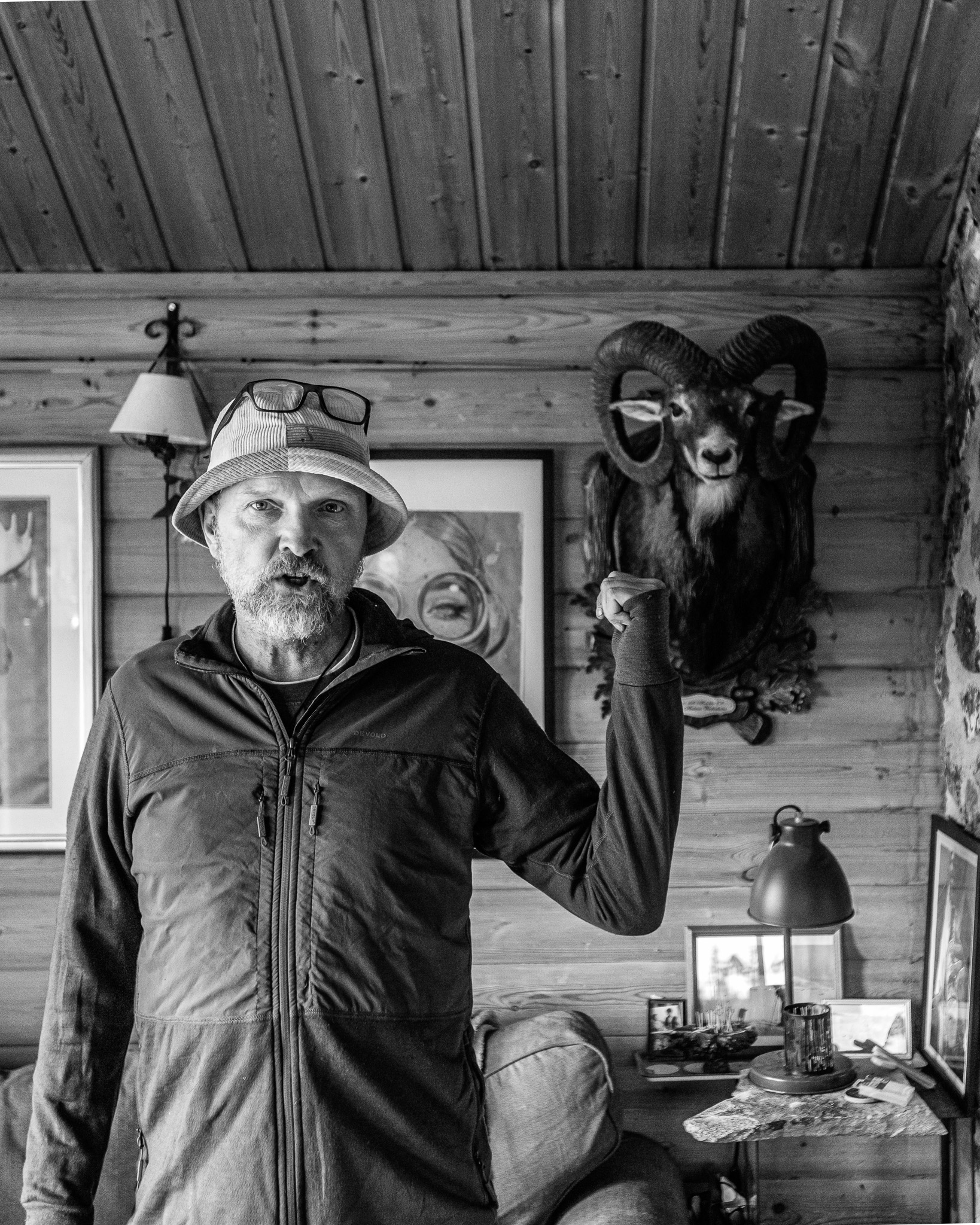
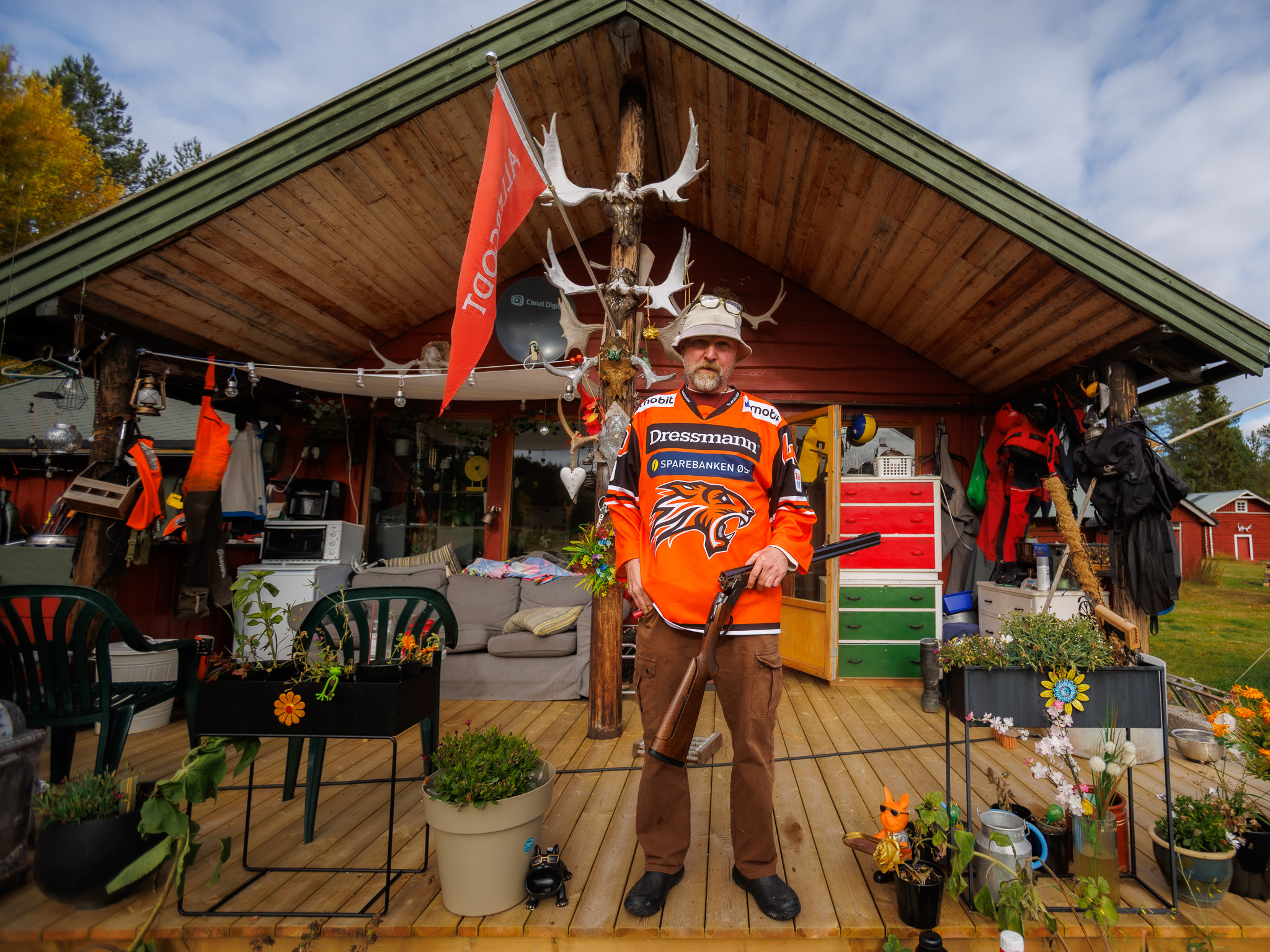
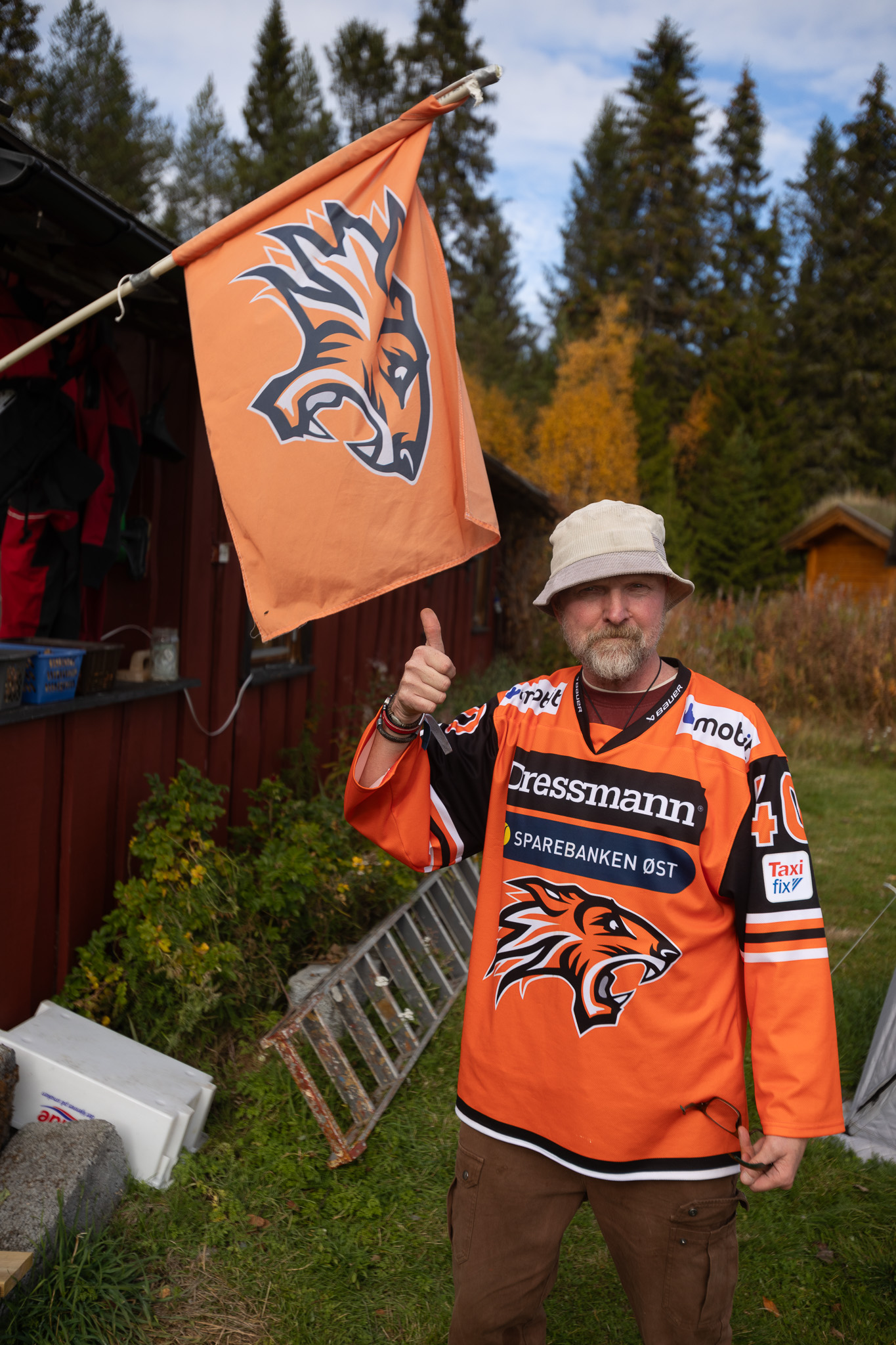
And then there he is, wearing the hockey jersey.
The Frisk Asker jersey is close to his heart, and it tells another part of Halvor's story – hockey, people, team spirit and engagement.
On the other side are the shotgun, the forest, the hunt and the silence.
“Hockey and shotgun.”
Two very different worlds, but both parts of the same person. The team and the landscape. Community and freedom.
Halvor does not want Westerheim to become a polished façade. He wants the farm to remain a farm, the forest to remain forest and the river to remain a river.
At the same time, he wants others to experience some of what he finds here. He can rent out packrafts, guide people on the river and take them into the landscape. The experiences already exist; it is about making them available in a way that fits the place.
But he also wants to be able to close the door, walk into the forest and come back.
That is also part of the plan.
Halvor plans to let himself get snowed in this winter.
When the snow arrives and the roads become harder to use, skis, dog sleds and perhaps a snowmobile will become the way to get home – and to get back out again.
It may sound extreme to some. For Halvor, it is part of finding out how life here can actually be lived when you do not try to force the place into a routine designed for a completely different landscape.
He does not just want to live here when it is easy.
He wants to find out what it means to live here all year round.
Westerheim is still in transition. Halvor has moved home, but he has not finished finding out what home will become.
He sees possibilities where others might first see limitations, but he does not know exactly where this will end either. Perhaps that is what makes the story interesting.
This is not a finished project or a ready-made recipe for how to live on a farm beside the Femundselva. It is the story of a man who has chosen to move home and is trying to find out what is possible when you choose to stay.
And somewhere between the hockey and the shotgun is Westerheim – the farm, the forest and the Femundselva that have surrounded the family for generations.
Maybe Halvor will stay here forever.
Maybe he will not.
But if he one day leaves Rendalen, he wants to be able to look back and know that he left the community a little better than when he arrived.
Perhaps that is also one way of understanding “THE DOOR TO FREEDOM!”
A place to come home to. A place to build on. And a place to contribute to before one day moving on.
Experience Westerheim
Halvor Westerheim offers packraft rental, river paddling, guided outdoor experiences and fishing from a raft near the border between Rendalen and Engerdal. Explore Halvor Westerheim's experiences →
©Opplev Rendalen 2026. All Rights Reserved